Leach Lines Installation in Denver, CO
Leach line installation services involve setting up underground pipes that direct wastewater from a property’s septic system to a designated drain field. These systems are essential for properties that rely on septic tanks, especially in areas where municipal sewer connections are unavailable. Projects typically include installing new leach lines during the initial septic system setup or replacing existing lines that have become damaged or blocked. Property owners often want to understand the scope of the installation, the materials used, and how the system integrates with their existing septic setup to ensure proper function and compliance with local regulations.
Before requesting leach line installation, property owners should consider the size and layout of their property, as well as the condition of the existing septic system. It’s important to evaluate soil conditions and drainage capacity to determine the appropriate type and length of leach lines needed. Additionally, understanding local codes and permitting requirements can help streamline the project process. Clear communication about the property's specific needs and any previous septic system issues can assist in planning an effective installation that supports long-term system performance.
Many property owners in Denver, CO look into Leach Lines Installation for repairs, replacements, upgrades, and appearance-related improvements.
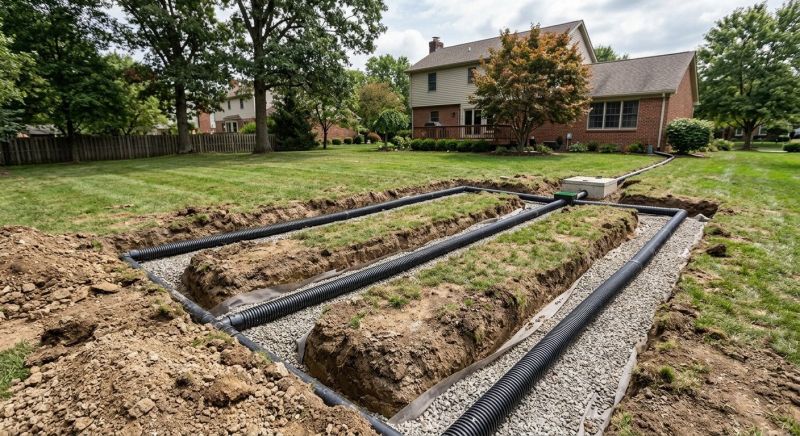
Leach Line Replacement
Replacing old or damaged leach lines to ensure proper waste management for your property.
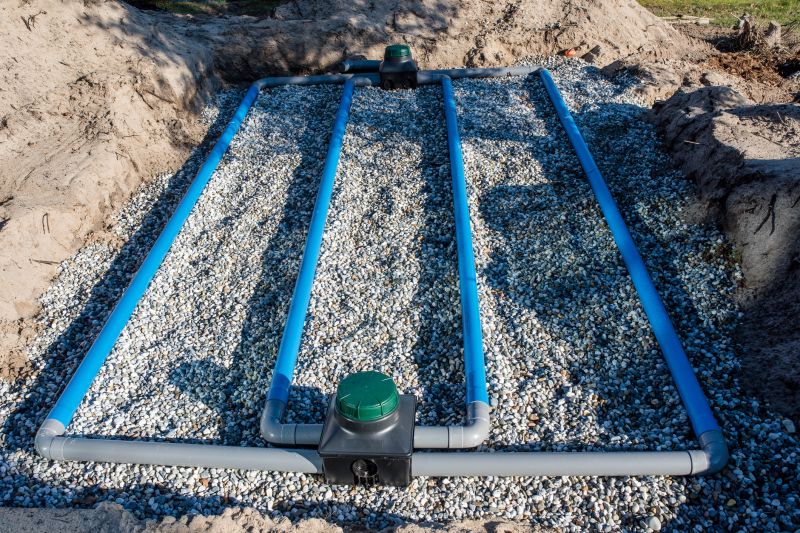
Leach Line Inspection
Assessing the condition of leach lines to identify potential issues before they become costly repairs.
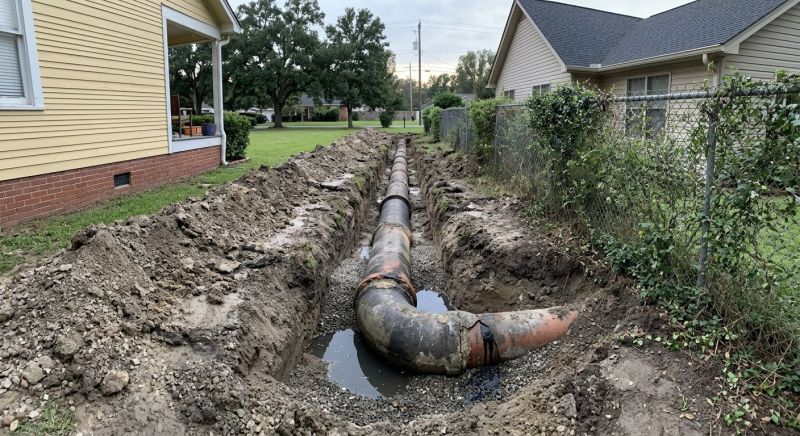
Leach Line Repair
Fixing broken or clogged leach lines to maintain efficient septic system performance in denver and nearby areas.
Leach Lines Installation in Denver, CO

Leach line installation services involve setting up underground pipes that direct wastewater from a property’s septic system to a designated drain field. These systems are essential for properties that rely on septic tanks, especially in areas where municipal sewer connections are unavailable. Projects typically include installing new leach lines during the initial septic system setup or replacing existing lines that have become damaged or blocked. Property owners often want to understand the scope of the installation, the materials used, and how the system integrates with their existing septic setup to ensure proper function and compliance with local regulations.
Before requesting leach line installation, property owners should consider the size and layout of their property, as well as the condition of the existing septic system. It’s important to evaluate soil conditions and drainage capacity to determine the appropriate type and length of leach lines needed. Additionally, understanding local codes and permitting requirements can help streamline the project process. Clear communication about the property's specific needs and any previous septic system issues can assist in planning an effective installation that supports long-term system performance.
Many property owners in Denver, CO look into Leach Lines Installation for repairs, replacements, upgrades, and appearance-related improvements.
Common Leach Lines Installation Jobs
Leach line installation involves setting up drainage systems to prevent water buildup around foundations.
Leach line repair addresses issues like clogs or leaks to maintain proper drainage function.
Leach line replacement replaces aging or damaged lines to protect property from water damage.
Leach field design ensures efficient water dispersal to meet property-specific drainage needs.
Leach line inspection assesses system integrity to identify potential problems early.
Leach line maintenance helps keep drainage systems functioning properly through routine checks.
Leach Lines Installation Questions
What is a leach line? A leach line is part of a septic system that distributes treated wastewater into the soil for natural filtration.
When should leach lines be replaced? Replacement may be needed if the lines are clogged, damaged, or no longer effectively drain wastewater.
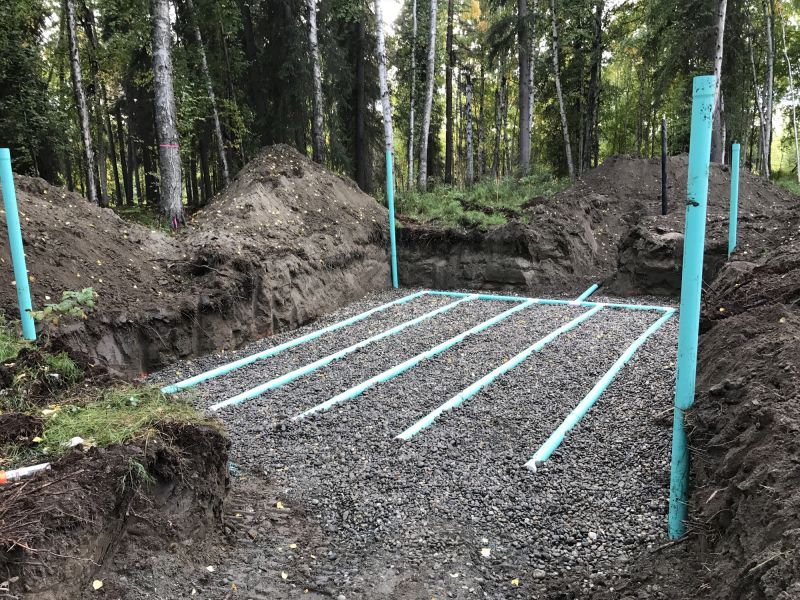
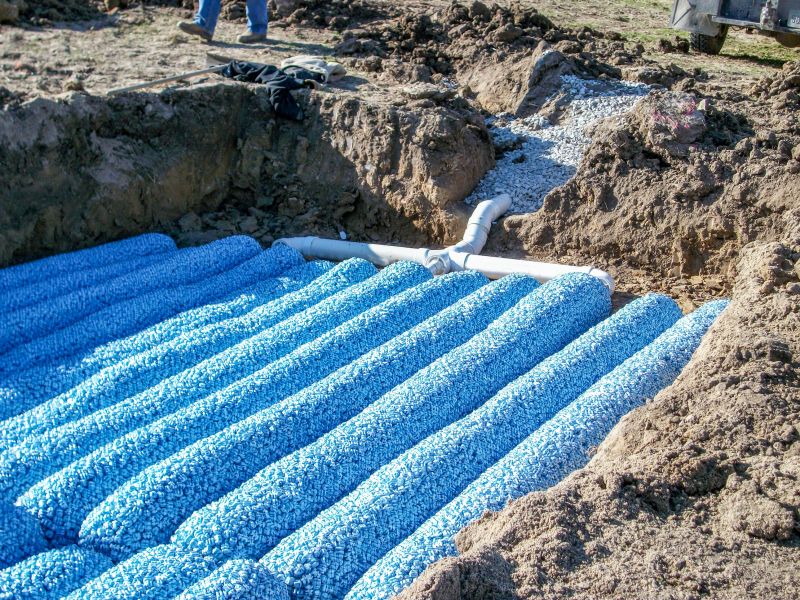
How are leach lines installed? Installation involves excavating the area, laying perforated pipes, and covering them with gravel and soil for proper drainage.
What signs indicate leach line issues? Signs include persistent odors, pooling water, or lush, overgrown areas near the septic system.
Request Leach Lines Installation in Denver, CO
Use the quote form on this page to share the basics of your project and request more information for the type of work you need.