Get Septic Pump Maintenance in Gwinnett County, GA
Septic pump maintenance services in Gwinnett County help property owners prevent backups, system failures, and costly repairs by ensuring pumps and tanks are properly inspected, cleaned, and serviced.
Septic pump maintenance is an important aspect of managing a property’s wastewater system, especially for homeowners and property owners in Gwinnett County, GA. Proper upkeep helps prevent costly backups, reduces the risk of system failures, and ensures the longevity of your septic system. If you are considering routine maintenance or need to address specific concerns, exploring options with local service providers can help you find the right solution tailored to your property's needs.
Property owners in Gwinnett County may find it beneficial to compare local contractors who specialize in septic pump services. These professionals understand the regional soil conditions and system requirements, making them well-equipped to handle maintenance tasks effectively. Continuing to read can provide guidance on how to connect with experienced service providers in your area to support your septic system’s health and performance.
- Septic Pump Repair - when a septic system fails to drain properly or backups occur in your Gwinnett County home.
- Septic Pump Replacement - if the existing pump is noisy, old, or no longer functioning efficiently.
- Septic System Inspection - to identify issues before they cause costly backups or system failure in neighborhoods around Atlanta.
- Septic Pump Maintenance - as part of routine upkeep to ensure reliable operation and prevent unexpected breakdowns.
- Septic System Troubleshooting - when experiencing foul odors, slow drains, or unusual sounds in your septic system area.
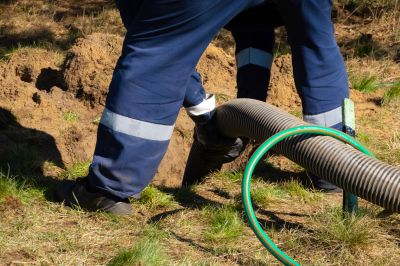
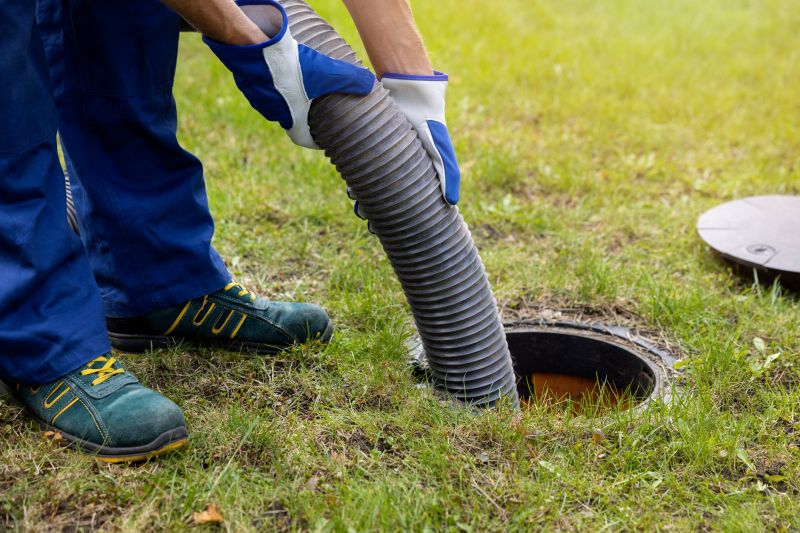
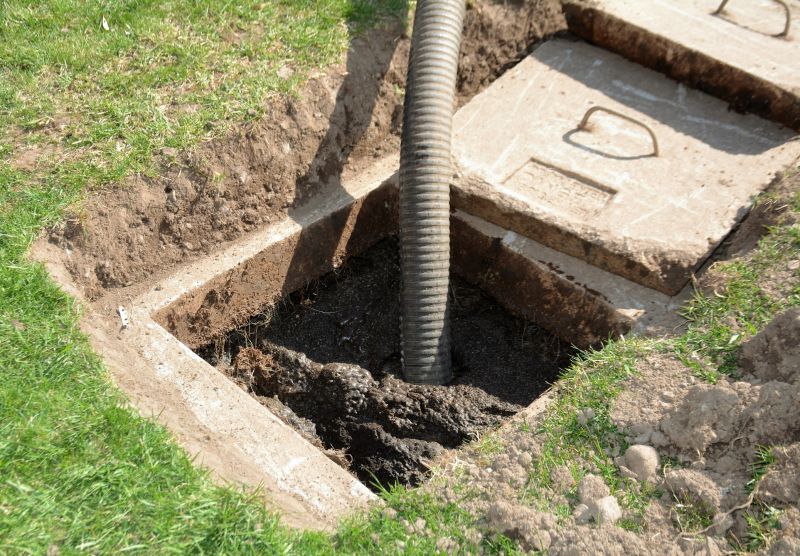
Septic pump maintenance services involve inspecting, servicing, and ensuring the proper operation of the septic system’s pump components. This typically includes checking the pump’s functionality, cleaning out any buildup or debris, and testing the system to confirm it is working efficiently. Regular maintenance helps prevent common issues such as pump failure, clogs, or uneven waste flow, which can lead to more serious problems if left unaddressed. By scheduling routine service, homeowners can keep their septic systems running smoothly and avoid unexpected breakdowns that might disrupt daily routines.
Many septic system problems are related to pump malfunctions or blockages that hinder waste movement from the tank to the drain field. When the pump fails or becomes clogged, it can cause backups, slow drainage, or foul odors around the property. Persistent issues like standing water near the septic tank or sewage odors may signal that the pump needs attention. Routine maintenance can identify these issues early, allowing local service providers to perform necessary repairs or replacements before more extensive and costly repairs are needed.
Septic pump maintenance services are commonly used by homeowners with properties that rely on septic systems, particularly in rural or semi-rural areas where municipal sewer connections are unavailable. These services are also valuable for properties with large households or frequent guests, which can put extra strain on the septic system. Additionally, properties with older septic systems or those that have experienced previous issues may benefit from regular pump inspections and servicing. Whether for a primary residence, vacation home, or rental property, local contractors can help ensure the septic system remains functional and efficient.
Homeowners should consider septic pump maintenance if they notice signs such as slow drains, gurgling sounds, or unpleasant odors coming from the plumbing. Other indicators include sewage backups or water pooling around the septic tank access lids. Regular inspections and maintenance can extend the lifespan of the septic system, reduce the risk of costly repairs, and ensure compliance with local health and safety standards. Connecting with experienced local service providers can provide peace of mind that the septic system is properly cared for and functioning as it should.
The overview below groups typical Septic Pump Maintenance projects into broad ranges so you can see how smaller, mid-sized, and larger jobs often compare in Gwinnett County, GA.
In many markets, a large share of routine jobs stays in the lower and middle ranges, while only a smaller percentage of projects moves into the highest bands when the work is more complex or site conditions are harder than average.
Routine Pumping - typical costs range from $250-$600 for many smaller jobs, such as regular septic tank pumping. Most routine maintenance projects fall within this middle range, with fewer cases reaching the higher end.
Minor Repairs - fixing small issues like replacing float switches or repairing minor leaks usually costs between $150-$1,000. These are common repairs handled by local contractors for a moderate price.
Septic Tank Inspection - comprehensive inspections generally cost $200-$500, depending on the size of the tank and the level of assessment needed. Many inspections fall into this typical range, with more extensive evaluations costing more.
Full System Replacement - replacing an entire septic system can range from $3,500 to $7,000 or more, especially for larger or complex installations. While less common, this high-tier project is handled by specialized service providers in the area.
Actual totals will depend on details like access to the work area, the scope of the project, and the materials selected, so use these as general starting points rather than exact figures.
Drain Field Installation - local contractors can handle the planning and installation of drain fields, which are essential components of septic systems similar to pump maintenance.
Septic Tank Pumping - professionals who perform septic tank pumping often have the skills and tools needed to maintain and service septic pumps effectively.
Septic System Inspection - inspection services involve evaluating the condition of septic components, including pumps, to ensure proper functioning and identify potential issues.
Septic Tank Replacement - replacing aging or damaged septic tanks requires planning and expertise comparable to septic pump maintenance tasks.
Leach Field Repair - repairing or replacing leach fields involves similar planning and ground work as maintaining septic pumps.
Septic System Troubleshooting - diagnosing septic system problems often involves checking pumps and related components, requiring similar technical skills.
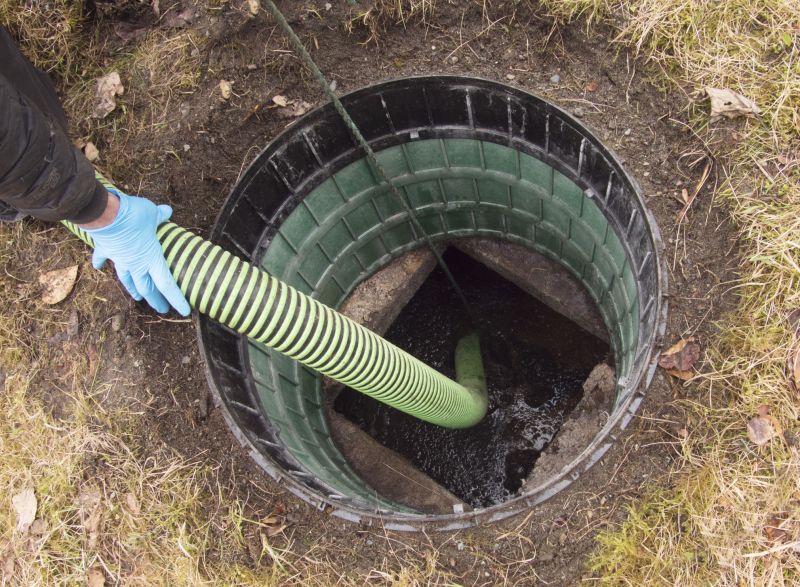
When selecting a contractor for septic pump maintenance, it’s important to consider their experience with similar projects in the Gwinnett County area. An established service provider with a history of handling septic systems comparable to your own can offer insights into what to expect and ensure the work is performed properly. Checking references or reviews from previous clients can provide a clearer picture of the contractor’s reliability and quality of service, helping to confirm that they have a track record of satisfied customers.
Clear written expectations are essential when comparing local service providers. A reputable contractor should be able to provide detailed information about the scope of work, what services are included, and any necessary preparations or follow-up. Having these details in writing helps prevent misunderstandings and ensures that both parties are aligned on the project’s goals. This clarity can also serve as a basis for evaluating whether a particular service provider’s approach aligns with your needs.
Effective communication is a key factor in choosing a septic maintenance provider. Service providers who are responsive, transparent, and willing to answer questions can make the process smoother and more straightforward. Good communication helps ensure that you understand the work being performed and can address any concerns promptly. Remember, the site functions as a resource to connect homeowners with local contractors capable of handling septic pump maintenance; it does not perform the work itself. Taking the time to compare these aspects among different providers can lead to a more confident decision and a successful service experience.
Property owners in Gwinnett County, GA use Septic Pump Maintenance services for practical projects around their homes and businesses. This guide focuses on everyday jobs and straightforward project options.
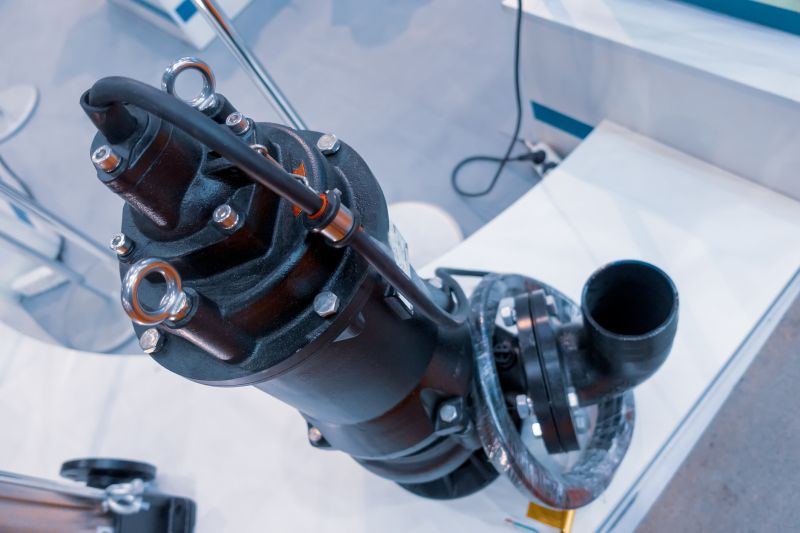
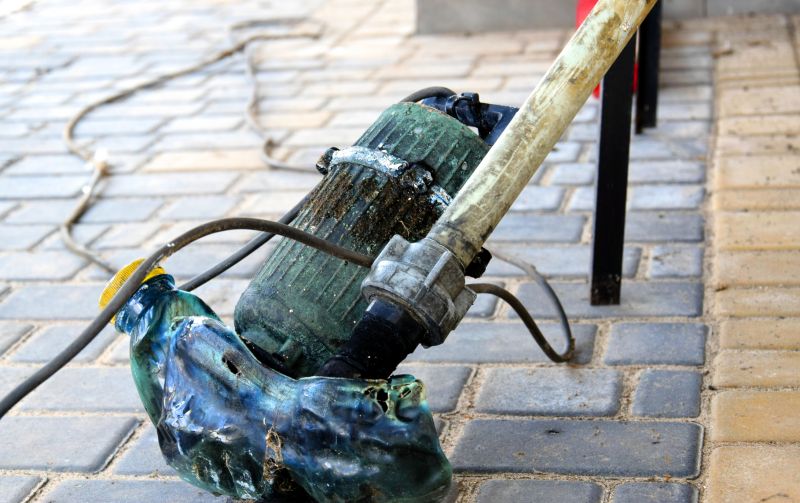
Septic pump maintenance is a common concern for property owners in Gwinnett County, GA, especially for those with older systems or properties that haven’t had recent service. Routine inspections and pumpings help prevent backups and reduce the risk of costly repairs, making them a practical choice for homeowners and commercial property managers alike. Local contractors often handle these projects when signs of system strain appear, such as slow drains, foul odors, or standing water near the septic tank area, ensuring the system continues to function smoothly.
In addition, property owners might seek septic pump maintenance services when preparing for new tenants, renovations, or property sales. Regular maintenance can also be necessary after heavy rainfall or flooding, which can impact the septic system’s performance. Local service providers are equipped to handle these situations efficiently, providing the necessary inspections and pumpings to keep septic systems operating reliably and helping property owners avoid unexpected issues down the line.
How often should septic pumps be maintained? Regular maintenance typically involves scheduling septic pumping every 3 to 5 years, but it can vary based on usage and tank size. Local contractors can assess your system's needs and recommend appropriate maintenance intervals.
What are signs that septic pump maintenance is needed? Indicators include slow drains, unpleasant odors, or sewage backups. Local service providers can inspect your system to identify issues before they become major problems.
What does septic pump maintenance include? Maintenance generally involves inspecting the tank, removing accumulated sludge and scum, and ensuring the pump and other components are functioning properly. Experienced contractors handle these tasks efficiently.
Can septic pump maintenance prevent system failures? Yes, regular upkeep helps prevent clogs, backups, and other failures by keeping the system operating smoothly. Local pros can provide the necessary maintenance to extend the lifespan of your septic system.
Is septic pump maintenance necessary if the system appears to be functioning normally? Yes, routine maintenance can help identify potential issues early and maintain system performance, even if no obvious problems are present. Service providers can ensure your system remains in good condition.
Preventative Pumping Services - Regular septic pump maintenance can help avoid system backups during heavy use periods, ensuring smooth operation for everyday household needs.
Emergency Pumping Readiness - Having septic systems serviced by local contractors can prepare property owners for unexpected issues that disrupt daily routines.
System Inspection & Tune-Ups - Routine inspections and tune-ups by local pros can identify potential problems early, reducing the risk of costly repairs or service interruptions.
Scheduling Maintenance for New Installations - Property owners with new septic systems can arrange ongoing maintenance plans to support long-term functionality and peace of mind.
If you are thinking about Septic Pump Maintenance for a property in Gwinnett County, GA, this guide is meant to help you understand the work, the typical project types, and how different options might fit your plans.
When you are ready, you can use the quote form on this page to share a few details about your project. From there, local pros can review the basics and respond with options that match what you have in mind.